
Blog

Editor’s Note: This post was written by Maia Thomas, a student in the University of Washington Executive Master of Public Health program. New research over the last several years is beginning to create a scientific consensus: America’s thirty-year love affair with toxic flame retardants has left a disturbing legacy that threatens our children’s brain development. […]
We had an amazing Twitter chat last Thursday. We shared a few tips and some info on #TSCA reform. Using our #SaferChemicals hashtag it was fun to interact with some of our partners, bloggers, and you!

A striking difference between the Senate and House bills is their length. But does a "comprehensive" bill necessarily mean a better chemical safety program?
Your support allows us to make big impacts. Will you donate today?
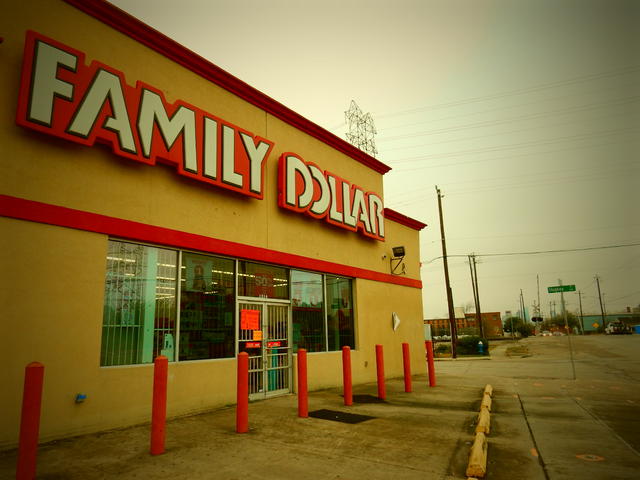
For many families, dollar stores are the only source of their household necessities, including food, children’s toys, and clothing. However, these cheap products do not come without a more significant cost. Despite low prices, dollar stores are selling products with high levels of toxicity

Green and Prosperous began as a vehicle for getting the word out about how toxic chemicals are routinely used in the products we buy. The Little Guidebook for Green Moms and Dads is the first ebook in a series of “Green Guidebooks” published by Kelly Pemberton.

H.R. 2576, which passed the House on June 23, retains section 5 in its current form. S. 697, reported out of committee on April 28, would rewrite section 5. Once the Senate acts on TSCA reform, the process of reconciling the two bills will begin. How critical are the Senate’s new chemical provisions in enhancing TSCA’s public health protections? And how much weight they should receive in evaluating the strengths and weaknesses of the two bills?
Our coalition partners at the Center for Environmental Health just released an amazing report on flame retardants in the office and easy ways to avoid them. We figured you might have some questions, so we have provided an easy guide to understanding the report with some help from the characters from NBC’s hit TV show The Office.
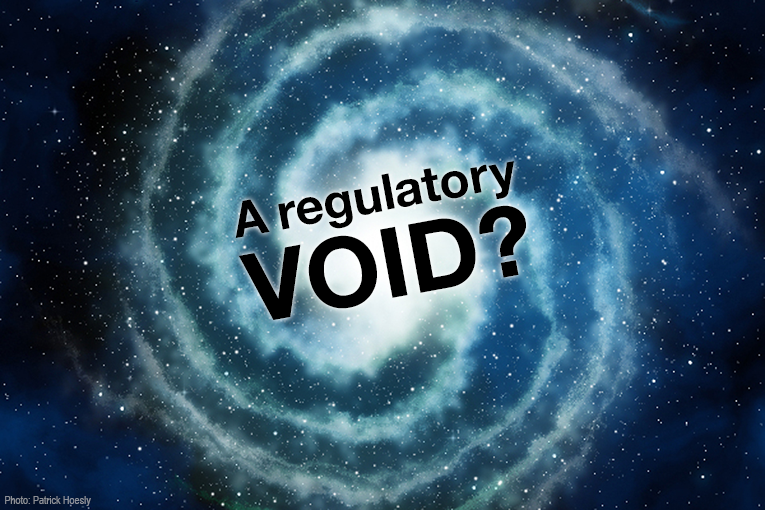
The Senate bill would preempt states earlier, creating a regulatory “void,” in which neither federal or state governments can restrict chemicals.
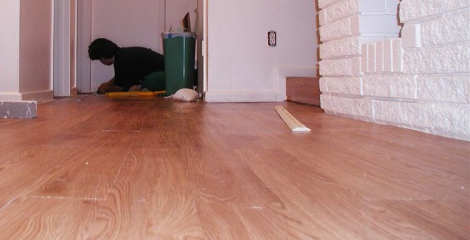
Menards, confirmed to a major news outlet that it was joining Home Depot and Lowes in pledging to stop sales of vinyl flooring containing toxic phthalates by the end of the year.

When it comes to moving our economy away from unsafe chemicals, perhaps no one has more power than major retailers to push suppliers and manufacturers, and ultimately the chemical industry, toward more responsible practices.