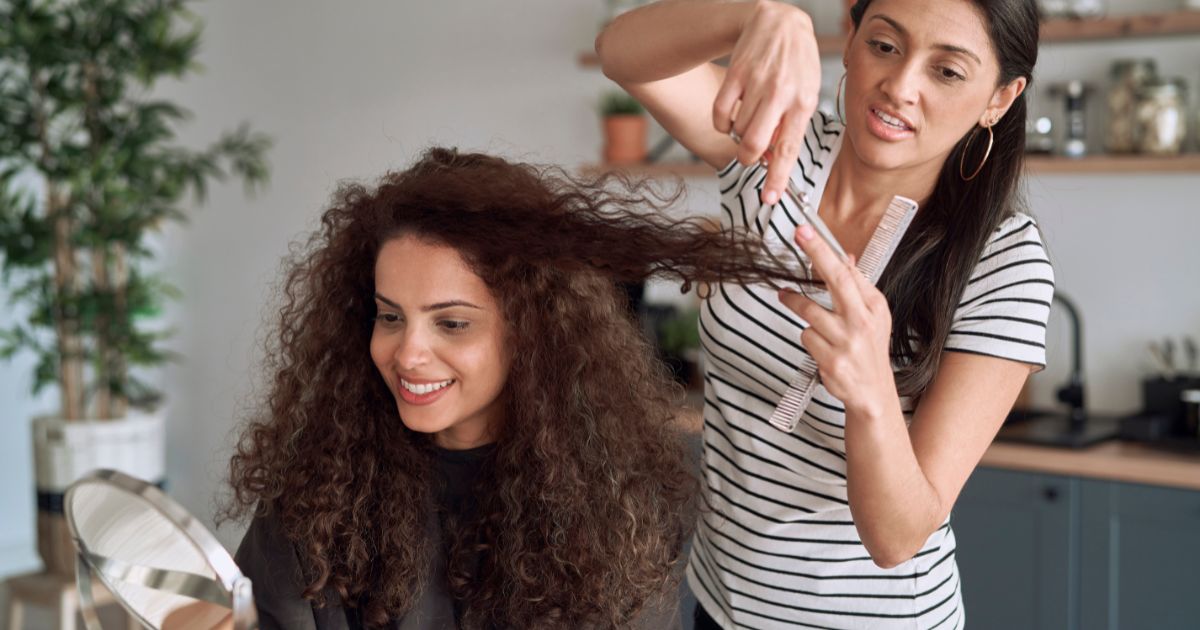
In August 2025, Washington became the first state in the U.S. to comprehensively ban all formaldehyde-releasing chemicals in cosmetics. This is a major win for protecting all people from dangerous chemicals, and scientific evidence confirms that this is especially good news for women of color and workers like cosmetologists, hairdressers, and other salon employees.
What are the health impacts of formaldehyde?
Formaldehyde is a known carcinogen linked to leukemia, nose and throat cancer, asthma, and skin irritations.
Which cosmetics and personal care products contain formaldehyde?
In 2023, testing by Washington’s Department of Ecology found high levels of formaldehyde in lotions, creams, and hair products, many of which were marketed to women of color.
The agency reported that formaldehyde was found in 26 of 30 body lotions and hair products that were tested: seven out of 10 skin lotions, nine out of 10 leave-in conditioners, and 10 out of 10 hair styling gels. Other products may also be a concern, including shampoos and eyelash glues.
Snapshots of the science
Salons are among the most common occupational settings where significant formaldehyde hazards are present. A systematic review of experimental data on occupational formaldehyde exposure aimed to identify the occupational sectors that are at the highest exposure risk.
The review found “esthetic and wellness settings” to be a major occupational setting for formaldehyde exposure, a category made up mostly of salons. The authors noted the highest formaldehyde concentrations were reported in hair salons.
Formaldehyde is a prevalent threat to the health of hairdressers and their clients. A scoping review assessed studies across the globe on chemical inhalation exposures of professional hairdressers.
The authors found that formaldehyde was the most commonly reported hazardous chemical among the studies they identified, and that concentrations sometimes exceeded occupational exposure limits—especially during straightening procedures.
Inequalities in formaldehyde exposure leave women of color at greater risk. A growing body of evidence has demonstrated racial and ethnic inequalities in exposure to potentially toxic chemicals, like formaldehyde, in personal care products. For example, a recent study on personal care products used by Black women and Latinas found more than half of study participants reported using at least one personal care product with formaldehyde or formaldehyde-releasing preservatives.
A step forward—but more work ahead
Cosmetics shouldn’t contain dangerous chemicals that threaten our health. The ban on formaldehyde and formaldehyde-releasing chemicals is a move in the right direction, but there is more work to be done.
We need more restrictions on harmful chemicals in cosmetics and personal care products in order to safeguard the health and safety of workers, consumers, and all of our communities. Luckily, Washington state is also considering restrictions on other harmful chemicals in these products under the state’s Safer Products law.

Science Director
Ryan Babadi joined Toxic-Free Future in May 2025 as Science Director, bringing his expertise in environmental epidemiology, toxicology, and data science.