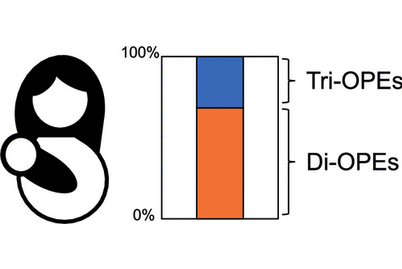
Endocrine-Disrupting Plastic Chemicals in Breast Milk
Bisphenols, melamine, and triclosan detected in breast milk, pointing to widespread exposure from everyday products
Endocrine-disrupting chemicals are linked to serious health harms, including reproductive and developmental harm, infertility, metabolic disease, and increased risk of some cancers, and this 2026 study reveals that several of these chemicals are getting into breast milk. Testing found bisphenols, melamine and related chemicals, and triclosan in breast milk samples, pointing to widespread exposure from everyday products and materials, including plastics, food-contact materials, receipts, antimicrobial treatments, and many other products.
Breast milk remains the best food for babies when possible. But research has found that harmful chemicals from consumer products, plastics, and pollution can contaminate breast milk, exposing babies during a vulnerable life stage. The research builds on earlier Toxic-Free Future findings that detected PFAS, toxic flame retardants, quaternary ammonium compounds, and other chemicals in the same samples.
This peer-reviewed study with research done by Toxic-Free Future in collaboration with scientists at Seattle Children’s Research Institute and others found several endocrine-disrupting chemicals in breast milk samples from women in the United States. These chemicals are produced by industry in high volumes and used in plastics, food and beverage can linings, textiles, paper receipts, dishware, anti-bacterial hand-sanitizers and toothpastes, and other common products.
The findings add to growing evidence that harmful chemicals are getting into people and that stronger action is needed to prevent toxic chemicals from entering the products and materials we use every day. This study underscores the urgent need for policymakers, manufacturers, and retailers to move rapidly to phase out harmful chemicals, reduce plastics, require transparency, hold polluters accountable, and adopt safer solutions.
From the Experts

“These findings show that infants and their mothers are being exposed to hormone-disrupting chemicals used in everyday products, including plastics, during critical stages of development. These exposures highlight the need for stronger safeguards so families are not put in harm’s way simply by feeding their babies.”
Dr. Ryan Babadi
Science Director, Toxic-Free Future

“As a pediatrician, I am concerned about the detection of chemicals in breast milk and impacts on infant development. Detection of these contaminants does not take away from the major health benefits of breast milk for infants, including immune factors that help prevent infections. As a society, it’s important to try to work together to eliminate these chemical exposures.”
Dr. Sheela Sathyanarayana, MPH
Study senior author and Associate Director of the Center for Child Health, Behavior and Development at Seattle Children’s Research Institute and professor of pediatrics at the University of Washington School of Medicine
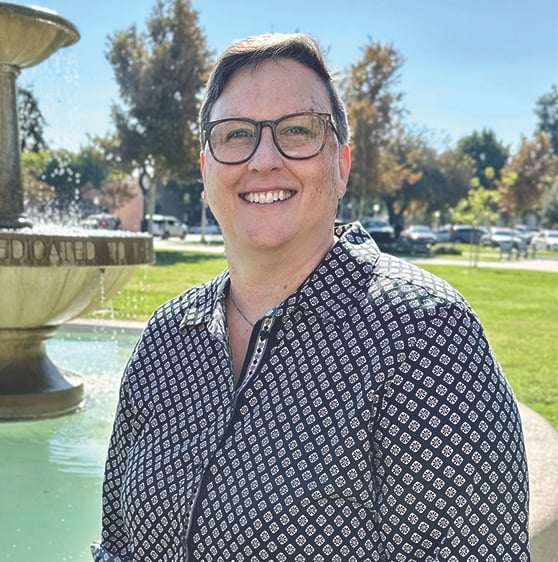
“We’re still not doing enough to keep endocrine-disrupting chemicals out of women’s bodies—and this study makes the consequences impossible to ignore. Bisphenols from receipt paper are absorbed directly through the skin, and the highest exposures fall on cashiers—many of them women of childbearing age, increasing the risk for breast cancer. California is considering a bill to ban these chemicals from receipt paper. It’s a commonsense step to reduce exposure, and it should become law.”
Nancy Buermeyer
Director of Program and Policy, Breast Cancer Prevention Partners
Research Series: Toxic-Free Future’s breast milk studies
Across five published studies, Toxic-Free Future research has detected endocrine-disrupting chemicals (EDCs), PFAS, toxic flame retardants, quaternary ammonium compounds, and other chemicals in breast milk samples from 50 women.
The findings point to widespread exposure from everyday products and materials, and reinforce the need for stronger policies and safer solutions that prevent harmful chemicals from getting into people in the first place.
Endocrine-disrupting plastic chemicals in breast milk (2026)
This 2026 peer-reviewed study by Toxic-Free Future, Seattle Children’s Research Institute, and Emory University found bisphenols, melamine, and triclosan in breast milk samples from women in the United States. The findings point to widespread exposure from plastics and everyday products, and underscore the need to prevent harmful chemicals from getting into people in the first place.

Toxic flame retardants in breast milk (2023)
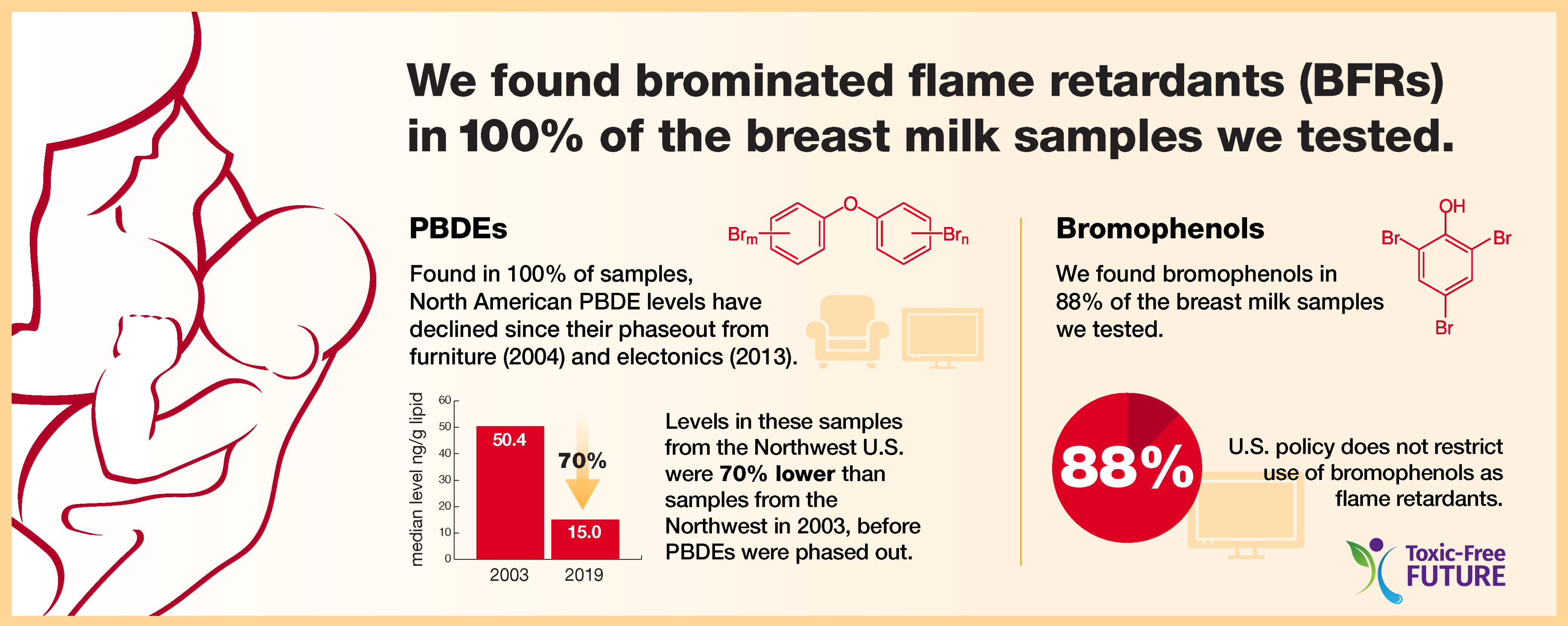
This 2023 peer-reviewed study by Toxic-Free Future, Emory University, and Seattle Children’s Research Institute found toxic flame retardants in the breast milk of U.S. mothers. The study found unregulated flame retardants in breast milk for the first time, while levels of banned flame retardants are decreasing, showing both the need for stronger safeguards and the impact of policy action.
Quats in breast milk (2022)
This first-of-its-kind 2022 study by Toxic-Free Future, Indiana University, and Seattle Children’s Research Institute found quats, the active chemicals in many disinfectant cleaners, frequently detected in breast milk. The findings raise concerns about exposure to chemicals widely used in cleaning and disinfecting products.

PFAS in breast milk (2021)
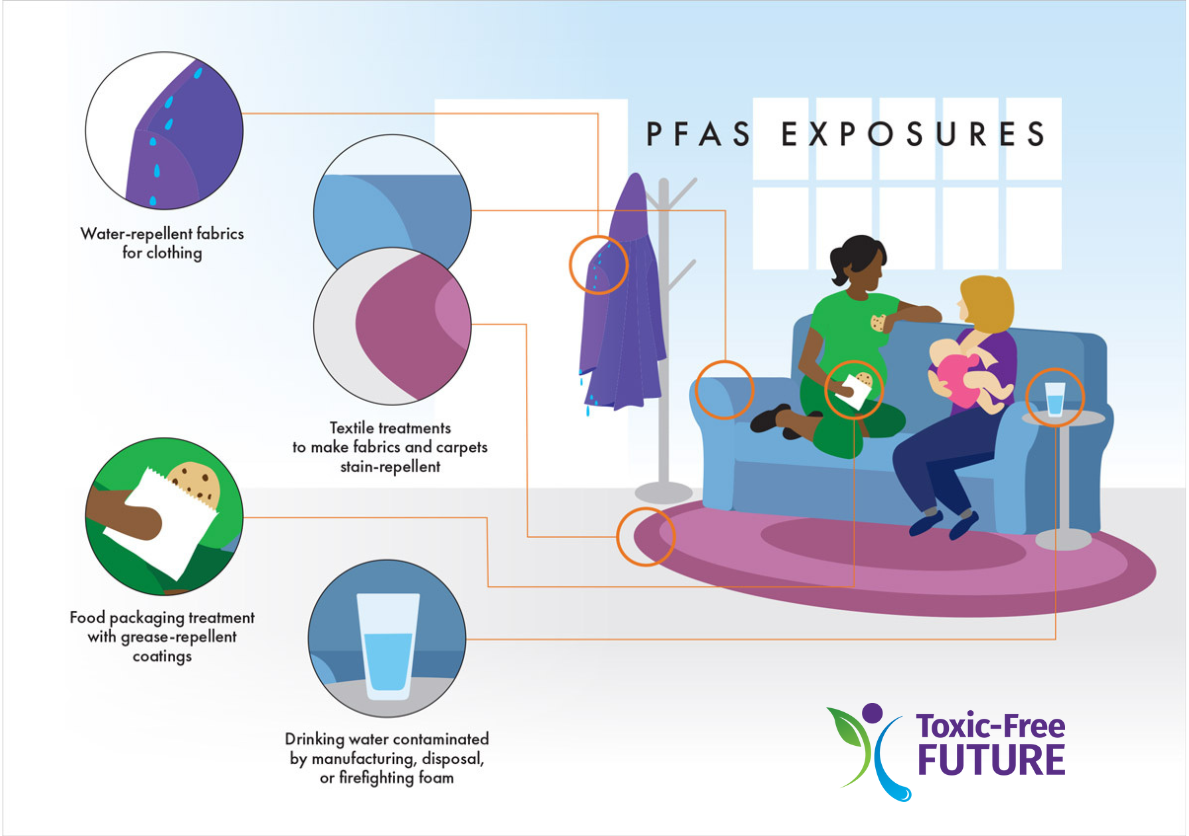
This 2021 study, the first since 2004 to analyze PFAS in breast milk from mothers in the United States, found PFAS in all 50 breast milk samples tested. The findings showed that these persistent “forever chemicals” are getting into people during vulnerable life stages and reinforced the need to phase out PFAS in products.
Organophosphate plasticizers and flame retardants in breast milk (2021)
This 2021 peer-reviewed study by Toxic-Free Future and partners found organophosphate esters, chemicals used as plasticizers and flame retardants, in breast milk. The findings showed that breastfeeding can be an important exposure pathway for infants and added to concerns about chemicals commonly found in indoor environments and consumer products.