
Research
2021
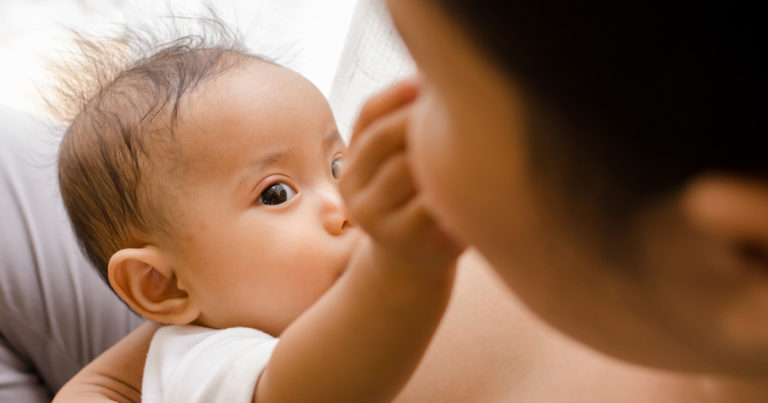
PFAS in Breast Milk
This study, the first since 2004 to analyze PFAS in breast milk from mothers in the United States, found that 50 out of 50 women tested positive for PFAS, with levels ranging from 52 parts per trillion (ppt) to more than 500 ppt.
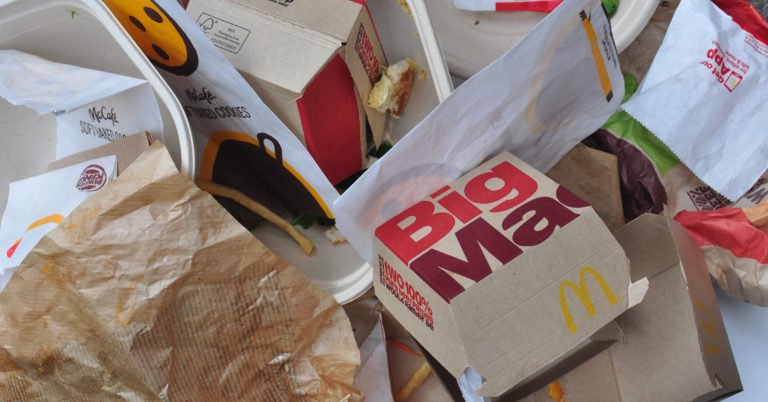
New testing indicates major fast-food chains are still serving up PFAS (per- and polyfluoroalkyl substances) with some of their most popular takeout foods, despite increasing consumer demand and legislative action to phase out the use of toxic PFAS chemicals.

2019
Hidden Danger
No level of lead exposure is safe, and kids can be harmed at levels lower than the federal government’s action levels. In analyzing the results of our study, we therefore compared the concentrations found in Puget Sound homes with federal action levels but also with screening levels set or recommended by other states and organizations.

2019
Toxic TV Binge
Our new investigation of six leading Best Buy and Amazon-brand televisions revealed retailers and suppliers are using outdated, hazardous chemicals to meet fire safety standards that can be met with safer alternatives or material changes.
Chemicals that are harmful to kids are put in thousands of children's products. For over a decade, Washington state has required companies that make children's products to report to the state if their products contain any of the 85 chemicals considered a high concern for kids' health. Between September 1, 2018 and January 31, 2019, 182 manufacturers filed 8700 new reports of toxic chemicals in kids’ products sold in Washington state.

2018
Take Out Toxics
This report looks at the extent to which five of the nation's largest grocery store chains are using and selling PFAS-containing food packaging, including containers, wrappers, and other food packages.

Health experts are concerned about children’s exposures to toxic flame retardants because these chemicals are linked to cancer, obesity, and learning issues. Childcare centers that use foam nap mats can have higher levels of cancer-causing flame retardants in their dust. Children are exposed to the chemicals when they breathe or ingest the dust. Toxic-Free Future […]
2017
Toxic Vaping
Toxic-Free Future launched its investigation in March 2017 to assess industry progress in replacing TCE with safer alternatives for use in vapor degreasing. We reached out to 143 facilities that may currently use TCE for vapor degreasing to confirm this use. We then asked about their plans to phase it out or about barriers preventing a phase-out.

2017
TV Reality
It’s common knowledge that watching too much TV isn’t great for your health. But did you know that TVs could be bad for your health in a new and unexpected way? In a new study coauthored with Clean Production Action, we found that TVs continue to contain toxic flame retardants that can escape the TV […]

2017
Children at Risk
Executive Summary There is no safe level of lead in a child’s blood. Very young children are particularly vulnerable, even at low levels. While lead has been banned from household paint and gasoline for some time, there are numerous sources of exposure, including paint in older housing, water service lines and plumbing, and several continuing […]