
Search Results for "bpa"
WASHINGTON, D.C. -- Following the lead of other major retailers and answering consumer demand for products free from toxic chemicals, Staples today launched a new Chemicals Policy targeting the reduction and substitution of toxic chemicals including per- and polyfluoroalkyl substances (PFAS).
Grocery chain Ahold Delhaize USA today announced a new “sustainable chemistry commitment” that restricts toxic chemicals, including the classes of per- and polyfluoroalkyl substances (PFAS), bisphenol A (BPA) and other bisphenols, ortho-phthalates, and other chemicals, in the products sold across its 2,000 stores nationwide.
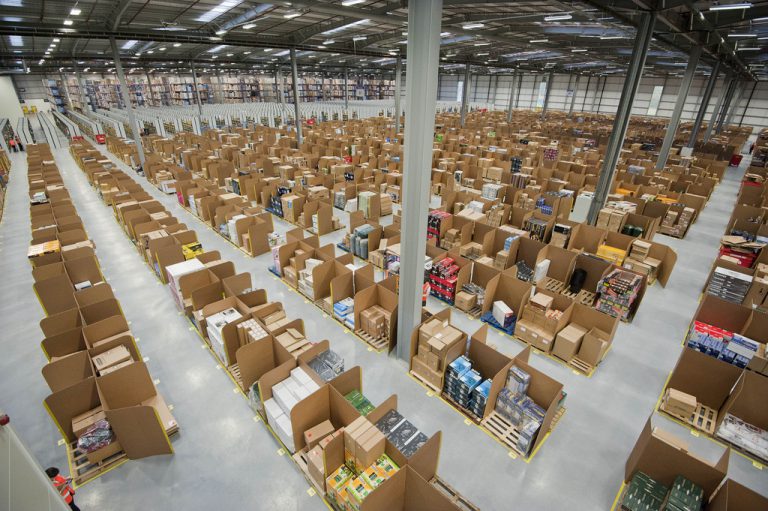
A blistering Wall Street Journal investigation should be a serious wake-up call for Amazon CEO Jeff Bezos and the company’s senior leadership: it needs to focus on ensuring the safety of its products and protecting customers’ health.

Dr. Leo Trasande is a leading voice in public health policy and a top environmental medicine scientist. In a newly published book, he reveals the alarming truth about how hormone-disrupting chemicals like phthalates and flame retardants are affecting our daily lives—and what we can do to protect ourselves and fight back.
Research
Chemicals Revealed 2019
Chemicals that are harmful to kids are put in thousands of children's products. For over a decade, Washington state has required companies that make children's products to report to the state if their products contain any of the 85 chemicals considered a high concern for kids' health. Between September 1, 2018 and January 31, 2019, 182 manufacturers filed 8700 new reports of toxic chemicals in kids’ products sold in Washington state.

The Washington State Senate has passed precedent-setting legislation to eliminate sources of toxic chemicals that are harmful to orcas and humans.

Underwear!? Lip gloss!? PJs!? Oh my! That was our reaction when we looked at the over 8700 new reports of toxic chemicals in kids’ products sold in Washington state. Manufacturers reported putting chemicals linked to cancer, hormone disruption, reproductive problems, and neurological problems in products kids use to play, bathe, and sleep. When you consider […]
As consumers increasingly demand less toxic products and laws require the use of safer chemicals, retailers are requiring suppliers to stop using harmful chemicals in consumer products. All the more reason for Washington state legislators to pass the Pollution Prevention for Our Future Act, which prioritizes similar chemical classes for phaseouts.
Five classes of chemicals in consumer products are emerging as particular concern for the health of both humans and orcas. What is this toxic soup of chemicals and what can we do about them?