
Blog
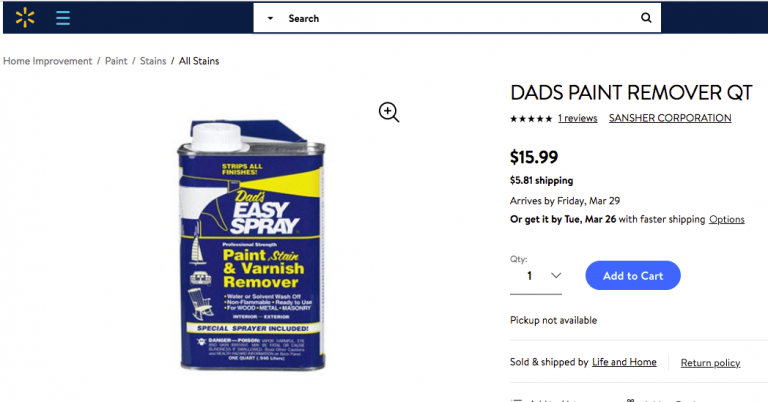
Over the past year, our Mind the Store campaign and coalition partners at NRDC won commitments from 13 top home improvement, big box, and auto-parts retailers to ban the sale of paint removal products containing the hazardous chemicals methylene chloride and NMP at over 30,000 stores across North America and the world.
What do sperm, kids, salmon, and orcas have in common besides that they all swim? All can be harmed by toxic chemicals put in consumer products!

Today, the U.S. Environmental Protection Agency (EPA) announced its final rule on methylene chloride in paint strippers. The Trump administration’s final rule will ban consumer uses and sales of these dangerous paint strippers while continuing to allow commercial sales to contractors and other professionals.
Your support allows us to make big impacts. Will you donate today?

As the tragic consequences of PFAS contamination are lived in communities across the country, and federal and state governments spend billions of taxpayer dollars to clean up the mess, the FAA needs to turn off the spigot of PFAS-containing firefighting foam.

Underwear!? Lip gloss!? PJs!? Oh my! That was our reaction when we looked at the over 8700 new reports of toxic chemicals in kids’ products sold in Washington state. Manufacturers reported putting chemicals linked to cancer, hormone disruption, reproductive problems, and neurological problems in products kids use to play, bathe, and sleep. When you consider […]

As consumers increasingly demand less toxic products and laws require the use of safer chemicals, retailers are requiring suppliers to stop using harmful chemicals in consumer products. All the more reason for Washington state legislators to pass the Pollution Prevention for Our Future Act, which prioritizes similar chemical classes for phaseouts.
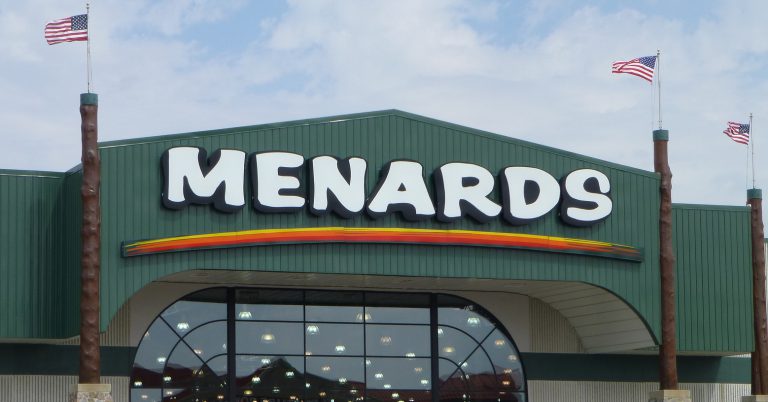
Today the Milwaukee Journal Sentinel broke the news that Menards has become the latest retailer to phase out the sale of paint strippers containing the dangerous chemicals methylene chloride and NMP.
Over 40 organizations urge action on the Pollution Prevention for Our Future Act because the time is NOW to act on toxic chemicals impacting orcas and people!
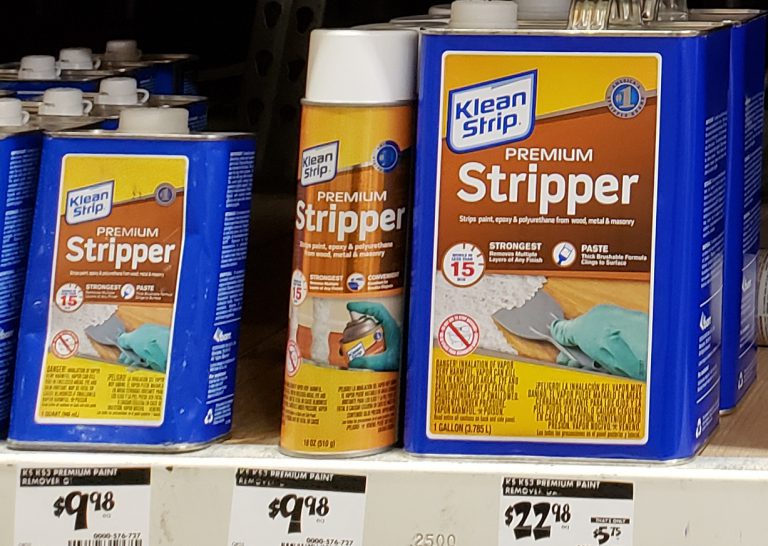
In 2018, we won a wave of commitments from eleven of North America’s largest retailers to ban the sale of paint strippers containing the toxic chemicals methylene chloride and N-methylpyrrolidone (NMP). To see how these retailer policy commitments have been implemented, campaign staff, partner organizations and volunteers are visiting stores across the country to see whether retailers are following through to “mind the store.”

Toxic chemicals put in consumer products not only affect human health, they are making their way into the environment and affecting wildlife, like orcas, too.