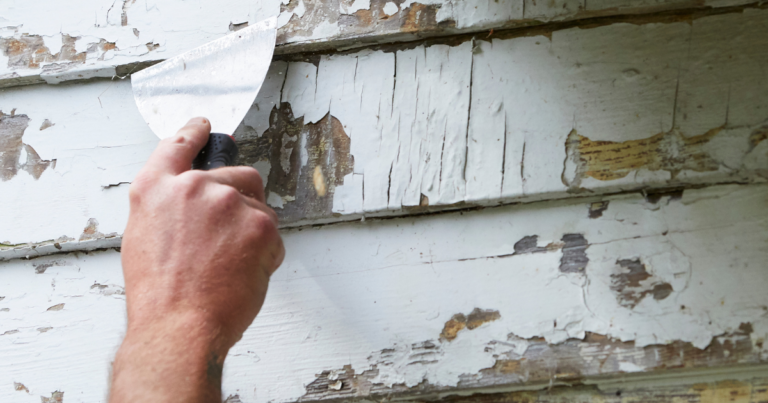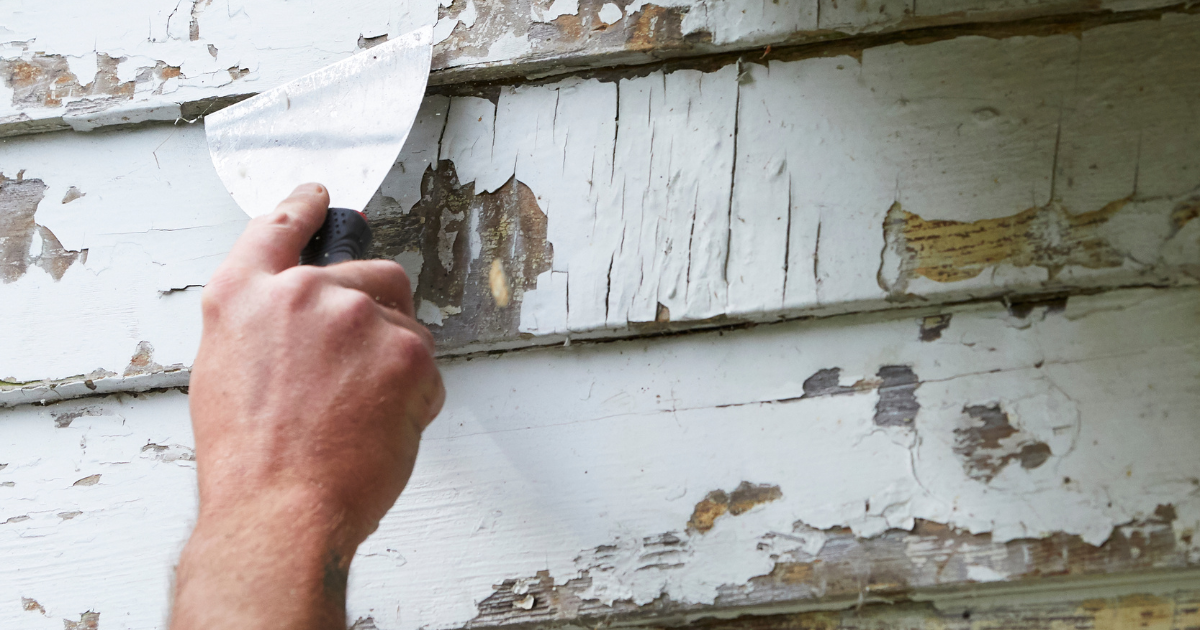
For decades, the U.S. Environmental Protection Agency (EPA) has known that methylene chloride, a chemical used in products such as paint strippers and adhesives, can cause cancer, damage the brain, and be deadly for consumers and workers. Research has also raised concerns about a potential link between methylene chloride exposure and Parkinson’s disease, adding to the serious health concerns surrounding this toxic chemical.
On September 15, 2026, the U.S. Court of Appeals for the Fifth Circuit Court of Appeals (Louisiana, Mississippi, and Texas) struck down a 2024 rule banning all consumer and most commercial uses of methylene chloride and sent EPA back to the drawing board after 12 years of work on this harmful substance.
Congress updated the Toxic Substances Control Act (TSCA) in 2016 so EPA could finally take action to get notoriously dangerous chemicals like methylene chloride out of our homes and workplaces. Even before EPA identified methylene chloride as one of its first 10 chemicals for full review and management, it had enough scientific evidence of its danger to conclude that paint and coating removers containing the chemical were dangerous to thousands of workers and consumers.
2019: A good first step
I had the tremendous honor of working with the families of young men who died because of exposure to the chemical as they courageously told painful stories in meeting after meeting on Capitol Hill and at EPA in defense of that ban.
Toxic-Free Future’s Mind the Store program successfully persuaded the largest retailers of these products (Lowe’s, The Home Depot, Sherwin-Williams, and Walmart) to stop selling these paint strippers to both workers and consumers prior to EPA’s 2019 ban on sales of those products to consumers. These stores recognized that viable alternatives were already available on retail store shelves.
While EPA shelved another rule that would have banned workplace use of paint strippers, we celebrated when EPA announced the ban on consumer sales.
The longer journey
Happy as we were to see the 2019 consumer paint stripper rule finally go into effect, we still had a bigger battle ahead to urge EPA to examine and regulate all the uses of this notoriously toxic chemical that put workers, consumers, and communities in danger. EPA’s review of methylene chloride under TSCA looked at 53 “conditions of use” of methylene chloride. Its 2020 risk determination said that 47 of those uses presented an unreasonable risk; a revised evaluation in 2022 found that 52 of the 53 uses posed an unreasonable risk to human health.
The uses studied in EPA’s risk evaluations included consumer uses like adhesive and caulk removers and glue for arts, crafts, and hobby materials. Among several commercial and industrial uses, they examined commercially used paint strippers and coating removers (which were not addressed in the 2019 rule), and spot removers for apparel and textiles.
The findings in EPA’s evaluations were no surprise. Years of study and tragedy had shown the dangerous effects of methylene chloride. In 2021, the Program on Reproductive Health and the Environment (PRHE) at UC San Francisco published a study in the Journal of the American Medical Association (JAMA) that looked at 85 deaths related to methylene chloride, finding that the vast majority (87%) were from exposure in the workplace.
Meanwhile, research from the Toxic Use Reduction Institute found that safer and effective alternatives were available.
2024: EPA issues final rule and the chemical industry takes them to court
EPA issued a final rule in 2024 that banned all consumer uses and most commercial/industrial uses of methylene chloride. This was a huge victory for Toxic-Free Future, our partners, and families who lost loved ones to this dangerous chemical.
The American Chemistry Council (the lead trade association for the chemical lobby) and two paint manufacturers filed a lawsuit challenging the 2024 rule, saying that the rule used a “whole chemical” approach rather than regulating uses one by one, and that the workplace protections in the rule were unnecessarily stringent. The Sierra Club’s filing challenged the rule saying that it was not protective enough of fenceline communities.
When the Fifth Circuit Court struck down the 2024 rule, it followed industry’s lead in rejecting EPA’s extensive scientific assessment as “extreme” and “arbitrary and capricious,” and asserted that the agency “’ignored’ widespread use of personal protective equipment.”
The Court’s ruling means that the many products banned by the rule can now be marketed and used without any restriction, bringing back an extreme threat to public health that EPA spent more than a decade trying to eliminate. This decision will put more people at risk of serious harm, including death from acute exposure, cancer, and kidney and liver toxicity from long-term exposures.
Instead of seeking further review of the Fifth Circuit decision, the EPA has since failed to oppose the industry request to make the decision immediately effective so companies can begin selling previously banned products, a step that allows products containing this extremely toxic chemical back on to store shelves and into workplaces without delay.
It is unclear what action the Environmental Protection Agency will now take to protect our health and our lives from the dangers of methylene chloride that it has identified, but they should remember that “Protection” is their middle name. EPA remains responsible for protecting us from the chemical hazards it identified. It should not bring back this dangerous chemical.
We’ll keep an eye on EPA’s action on these and other toxic chemicals.

Director of Safer Chemicals Healthy Families, Toxic-Free Future's federal policy program
Liz Hitchcock is director of Toxic-Free Future’s federal policy program. She leads advocacy efforts with Congress, EPA and other federal agencies.